Preparation Creates Confidence
Success begins long before the moment arrives.
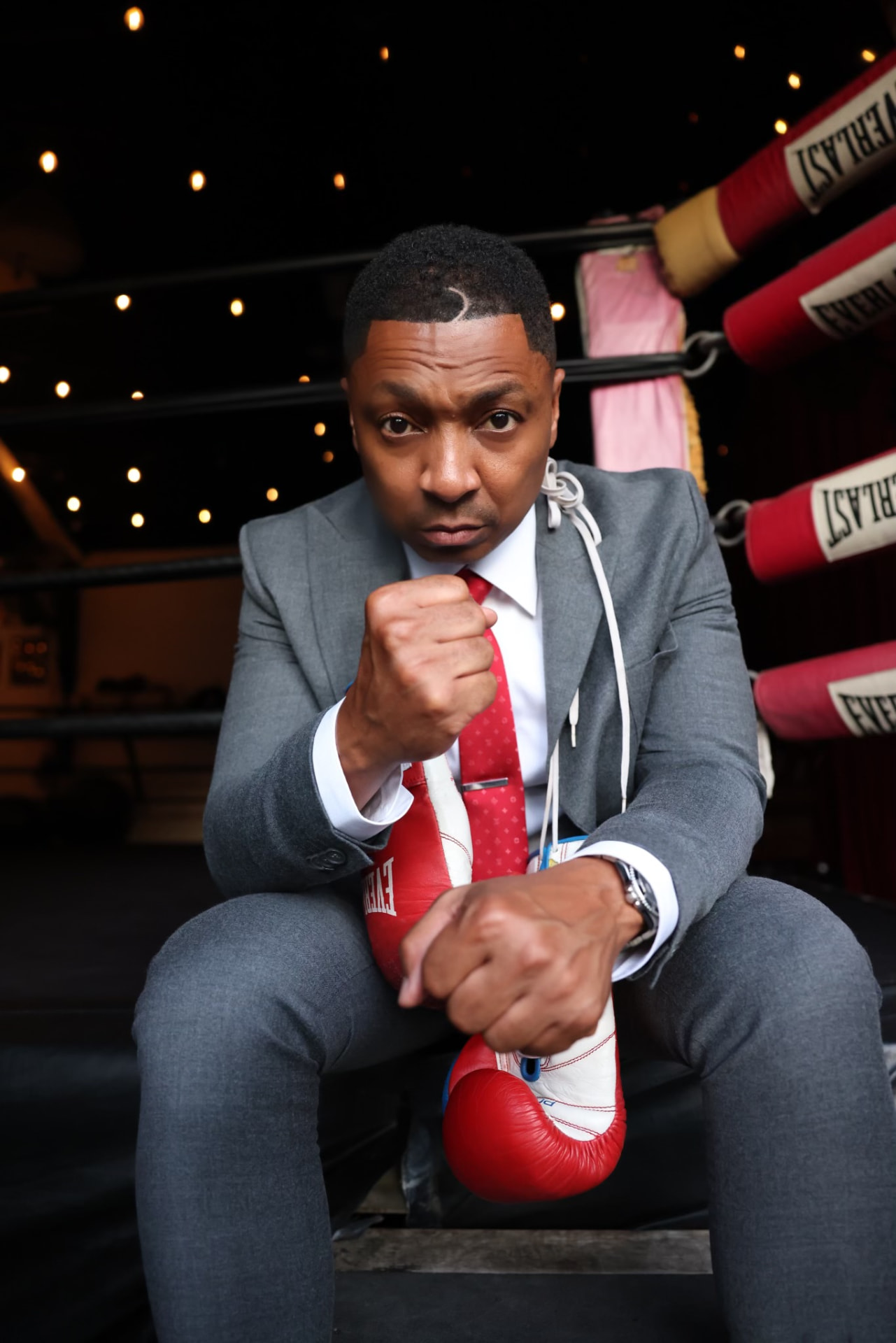
Former Professional Boxer
Before leading fintech companies, Elliott Forman competed as a professional boxer, where he learned that success comes from preparation, discipline, adaptability, and performing under pressure.
Transfer
Today, those lessons shape the way he leads organizations, coaches executives, and speaks to audiences around the world.
Performance principles
Success begins long before the moment arrives.
Great leaders adjust without losing focus.
Knowing when to pivot is as important as knowing how.
Clear thinking leads to better decisions under pressure.
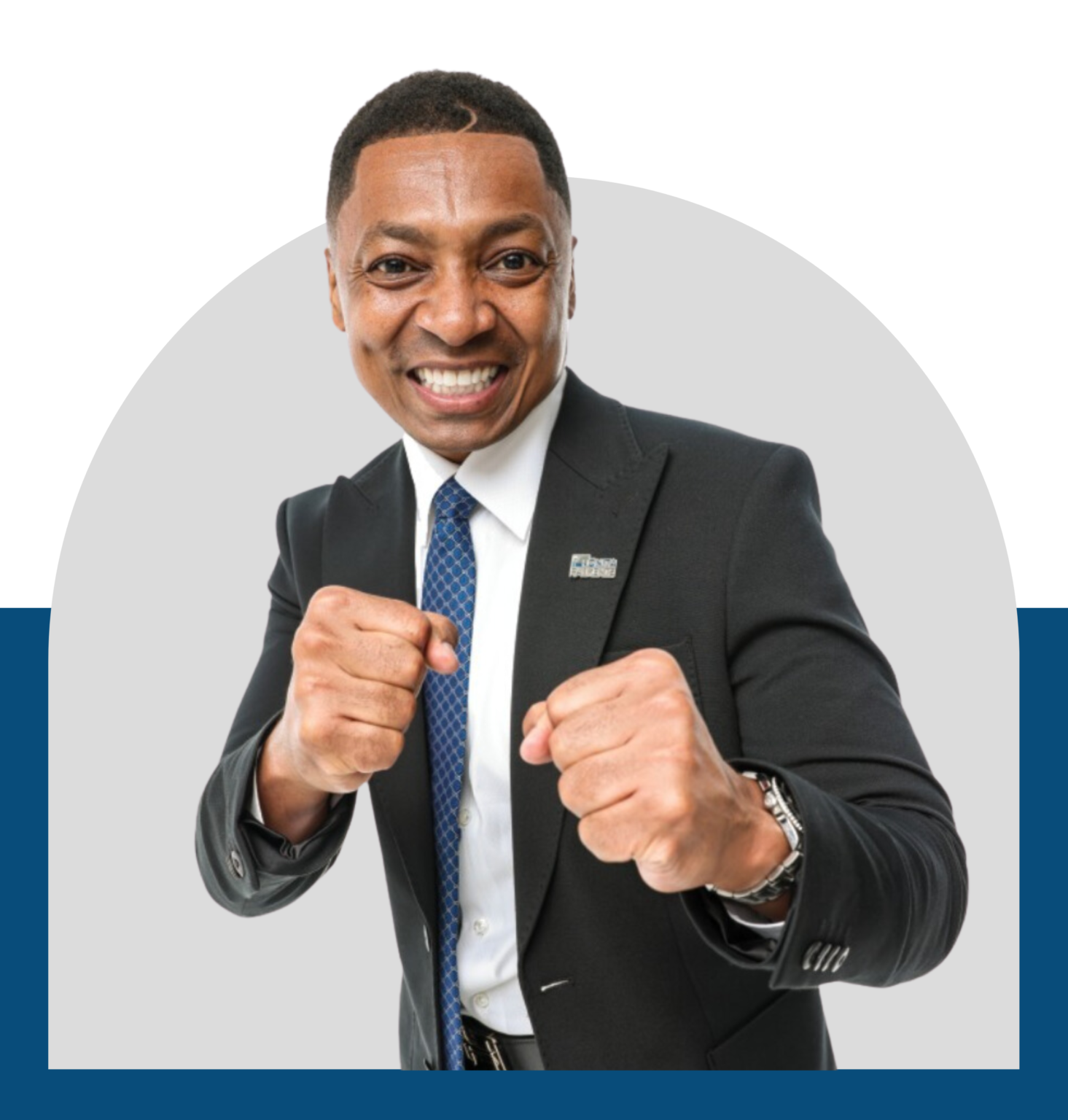
Where it shows up
Whether on stage, in the boardroom, or coaching leaders, Elliott shares practical strategies for staying focused, resilient, and ready for what's next.
“Pressure doesn't define you. Preparation does.”
— Elliott Forman
The record behind the metaphor
Boxing is the only sport where the scoreboard is your own body. There is no bench, no timeout you can call, and no teammate to cover a bad round. Elliott Forman spent years in that environment as a professional fighter, and it produced a way of working that shows up in every company he has run since: train harder than the event requires, study the opponent before you meet them, and accept that the plan survives exactly until the first real hit lands.
Most executives have never been in a situation where the cost of poor preparation is immediate and physical. Fighters have. That is why Elliott's keynotes on performance and pressure land with operators rather than sounding like sports-metaphor filler — the frameworks were built in a place where self-deception was punished within seconds.
The transfer is direct. Roadwork becomes financial discipline. Sparring becomes scenario planning. Ring generalship becomes knowing where your business is standing relative to the competition, the market, and the clock. Cornering becomes coaching: short, specific instructions between rounds, delivered to someone who is tired and needs one thing to fix, not five.
FAQ
Yes. Elliott competed as a professional boxer before moving into payments and fintech leadership. The discipline, weight management, and training cycles from that period became the operating model he later applied to building companies.
Recovery. Business education teaches strategy and analysis; the ring teaches what to do in the ninety seconds after a plan fails. Elliott's talks focus on decision-making while hurt, tired, or behind — the conditions leaders actually make their most consequential calls in.
Yes. Elliott uses the ring as a lens for preparation, resilience, timing, and composure. There is no violence-for-shock-value content; the through-line is performance under pressure, and it is regularly booked for leadership retreats and sales kickoffs.
Yes. He funds and supports inner-city boxing programs in Chicago and speaks to youth and athletic organizations about discipline, structure, and building a life that survives the day the sport ends.
Next